

All Conditions
From acne to warts and verrucas, we offer treatments for a whole host of conditions and medical problems. Whether you need a quick over-the-counter fix for a mild infection, or a prescription maintenance drug for a lifelong illness, you can find the medication you need quickly and simply by browsing our list of conditions from A-Z.

Find a Condition to Treat
Or scroll down to browse through all conditions
Bacterial Vaginosis
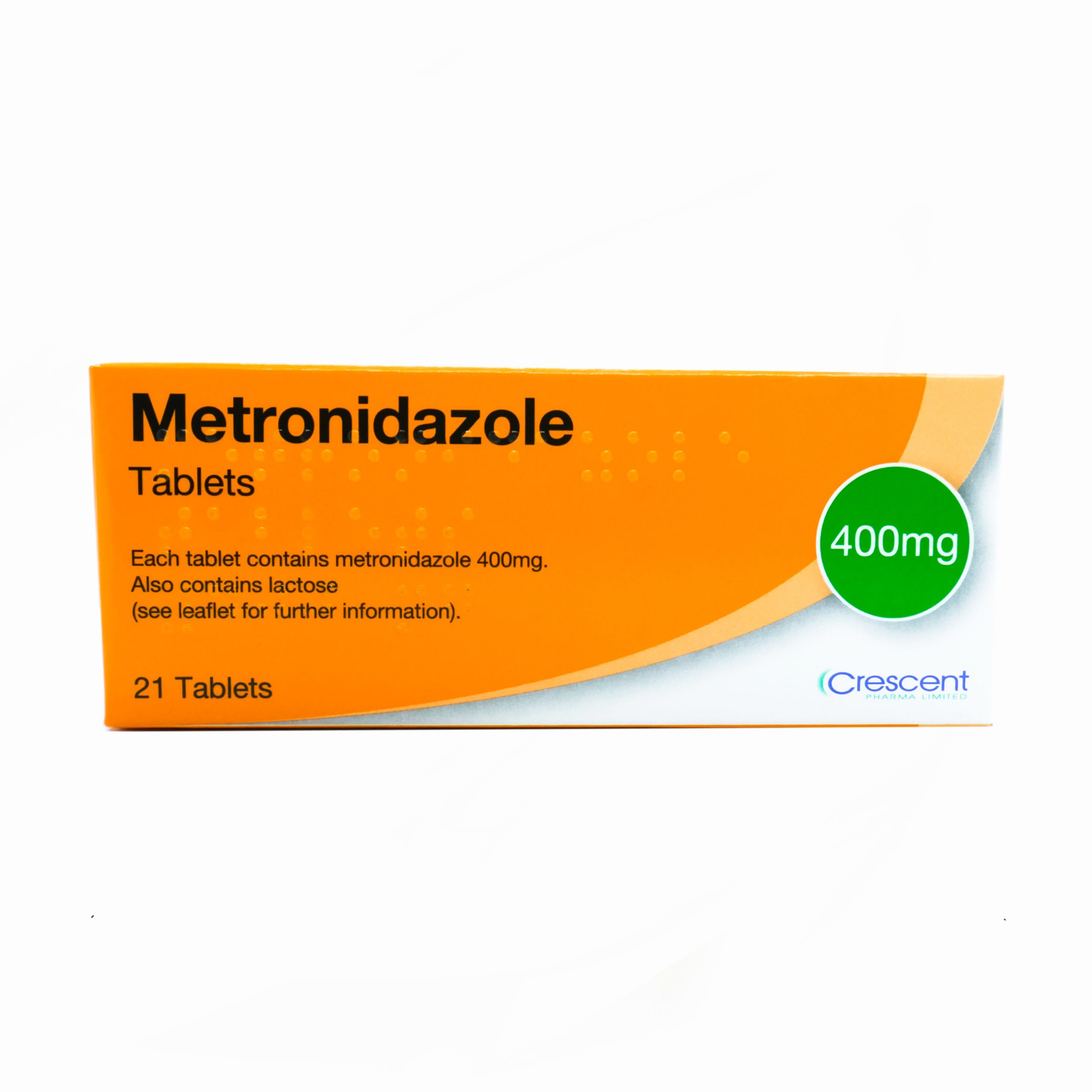
Bacterial Vaginosis (BV) is a common vaginal infection caused by an imbalance in the vaginal bacteria, leading to symptoms like discharge, odour, and irritation. The most common symptoms of Bacterial Vaginosis include white, watery vaginal discharge that often has a strong and distinct fishy smell. As a common condition, there are multiple treatments that can be administered to help, including antibiotics like metronidazole or clindamycin. Maintaining good hygiene and avoiding irritants can help prevent recurrence.
Please wait while related products are loading
Hay fever
Hay fever, or allergic rhinitis, is an allergic response to plant, grass and tree pollen, causing symptoms like sneezing, itching, and nasal congestion. Hay fever occurs when the immune system overreacts to allergens in the environment, releasing histamine and other chemicals that cause allergic symptoms. The condition is seasonal and has links to the time of the year when trees and plants release their pollen, most notably in the summer. Although it can be bothersome, hay fever symptoms can often be managed effectively with medications, allergen avoidance strategies, and lifestyle adjustments.
Please wait while related products are loading

Jet Lag
Jet lag results from rapid travel across time zones, disrupting the body’s internal clock and causing fatigue, insomnia, and digestive issues. It usually improves within a few days as your body adjusts to the new time zone. While jet lag is a common and temporary inconvenience associated with long-distance travel, implementing strategies to adjust can help minimise its impact. Management includes adjusting sleep schedules before travel, staying hydrated, and using light exposure to help reset the body clock. Melatonin supplements can also aid in adjustment.
Please wait while related products are loading

Malaria Prevention
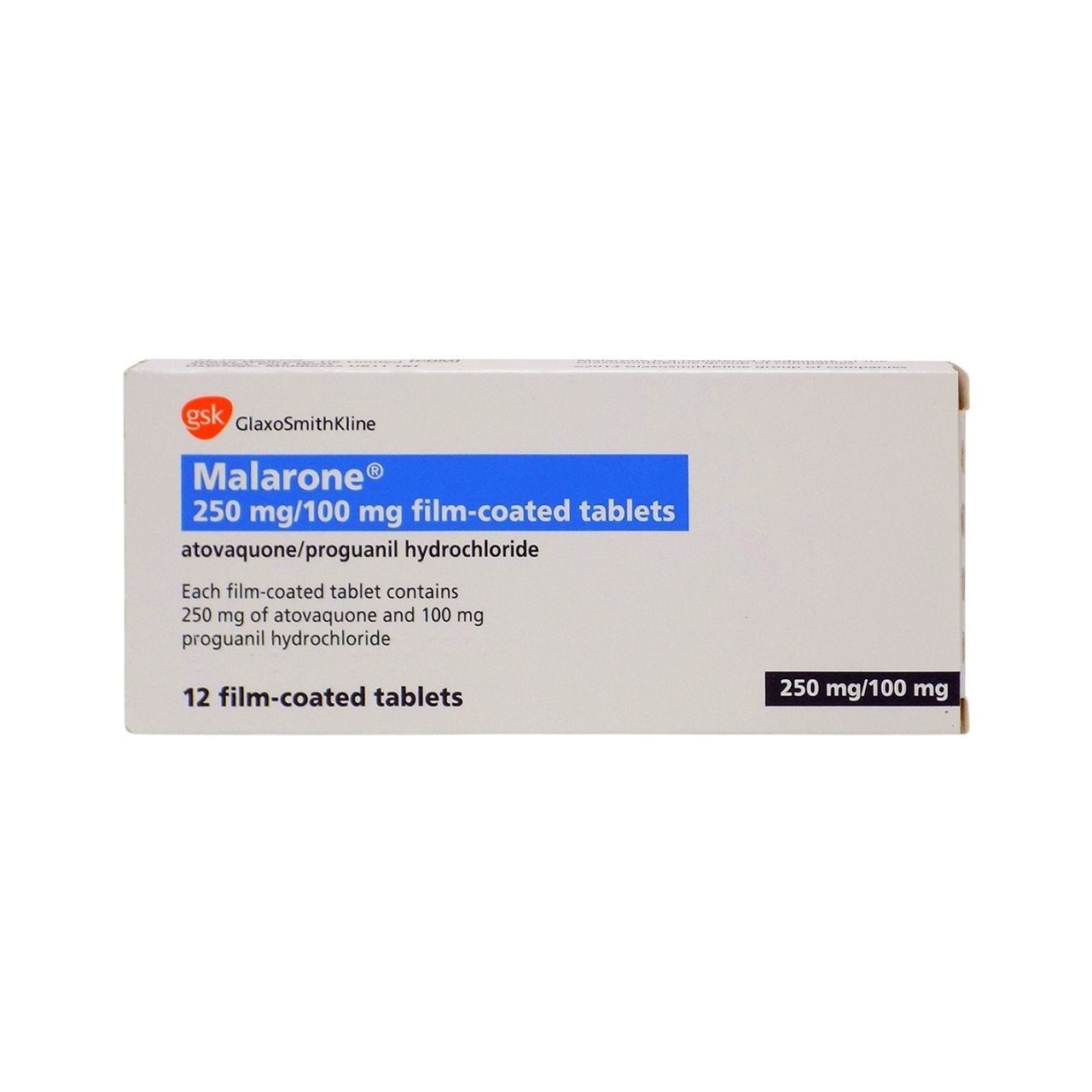
Malaria is a mosquito-borne disease caused by Plasmodium parasites carried by Anopheles mosquitoes. While malaria is curable, it leads to fever, chills, and flu-like symptoms, and can cause severe illness. Prevention includes using insect repellent, sleeping under bed nets, and taking antimalarial medications when travelling to high-risk areas. Prompt treatment is crucial for preventing potentially life-threatening complications.
Please wait while related products are loading

Quit Smoking
Quitting smoking involves overcoming nicotine addiction and reducing the risk of smoking-related diseases. Smoking cessation reduces the risk of developing numerous serious health conditions, including lung cancer, heart disease, stroke, and respiratory infections. Quitting strategies include behavioural therapy, nicotine replacement therapy (NRT), and medications like varenicline or bupropion. Support groups and counselling can significantly increase the chances of successfully quitting.

